
There’s a new Squire in town, and Baron Fig has sent one out for a review. Time to take a look at the Squire Hex.
A Little Background
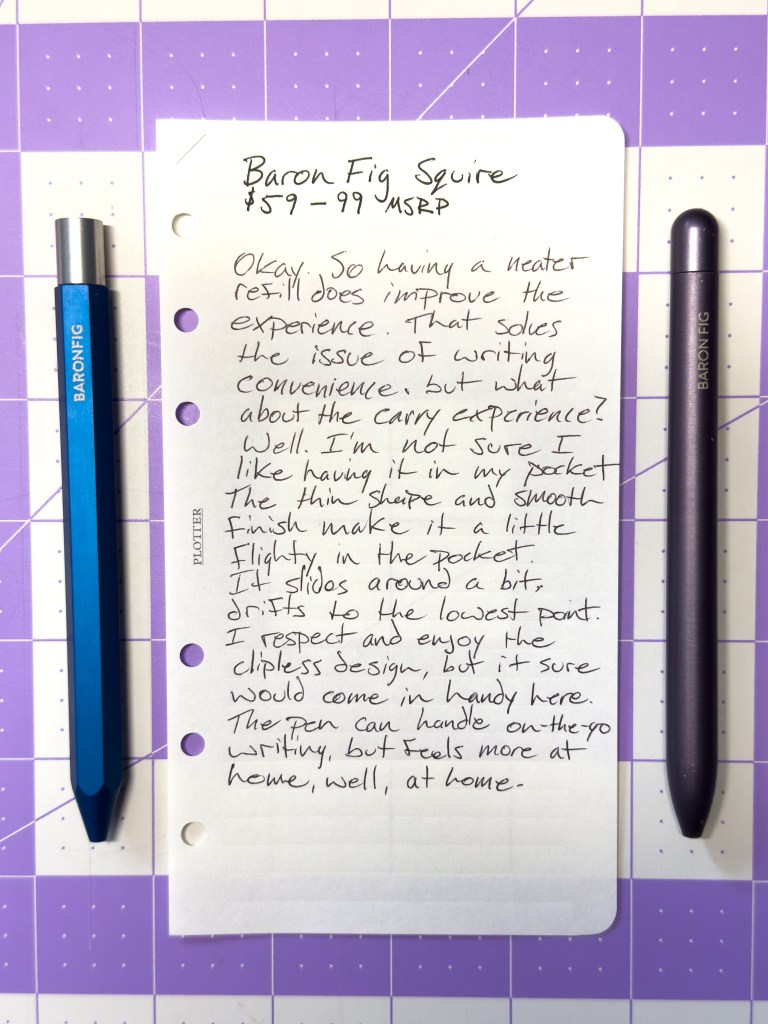
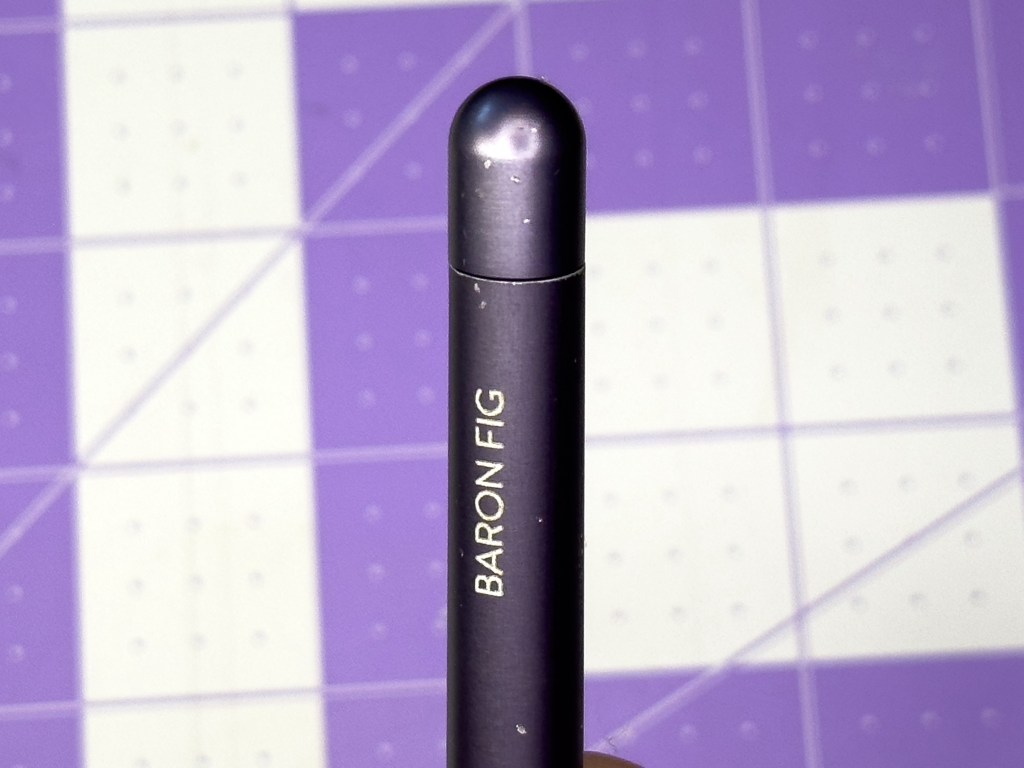
Sometimes ideas just line up perfectly. I recently had an inkling to revisit some products I’ve reviewed in the past. In particular, I wanted to take another look at Baron Fig’s original Squire and its position in my personal collection. While I was originally very impressed with the Squire, I have found myself using it less and less as my fountain pen collection grew. The Squire is a great desk pen, but not my first choice for on-the-go use. I love the visual aesthetic, but in practical use the slim round barrel can be a little slippery, and without a clip it can get lost in a pocket very easily. (For those of us with pocketed clothing, at least.) Long story short, after a few years of reflection and education on my part, I feel that the original Squire is most at-home on a desk. With the right refill it is a great pen for daily use, but it has slipped through my fingers in a groundward direction too often to be a daily carry.

The Review
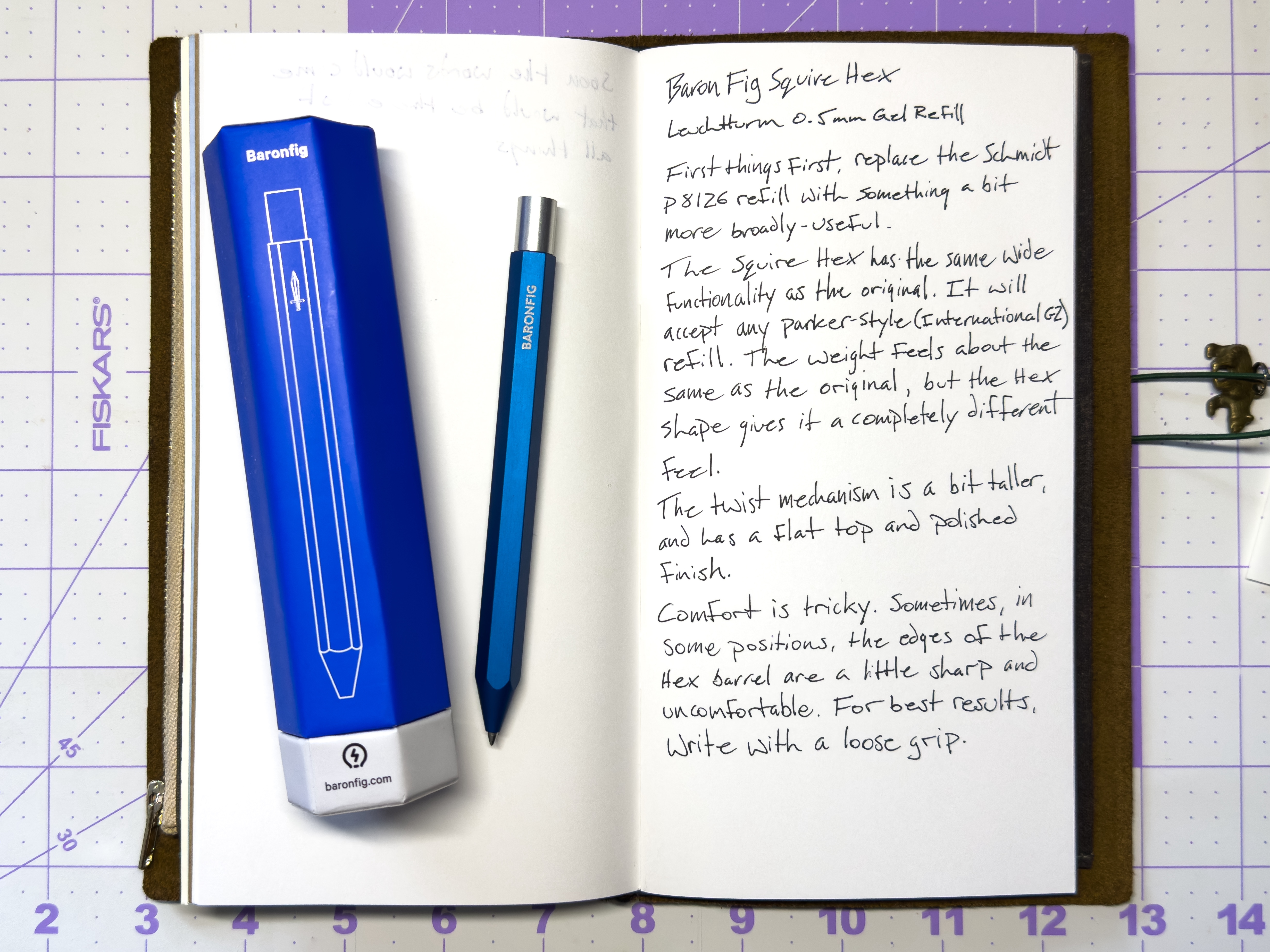
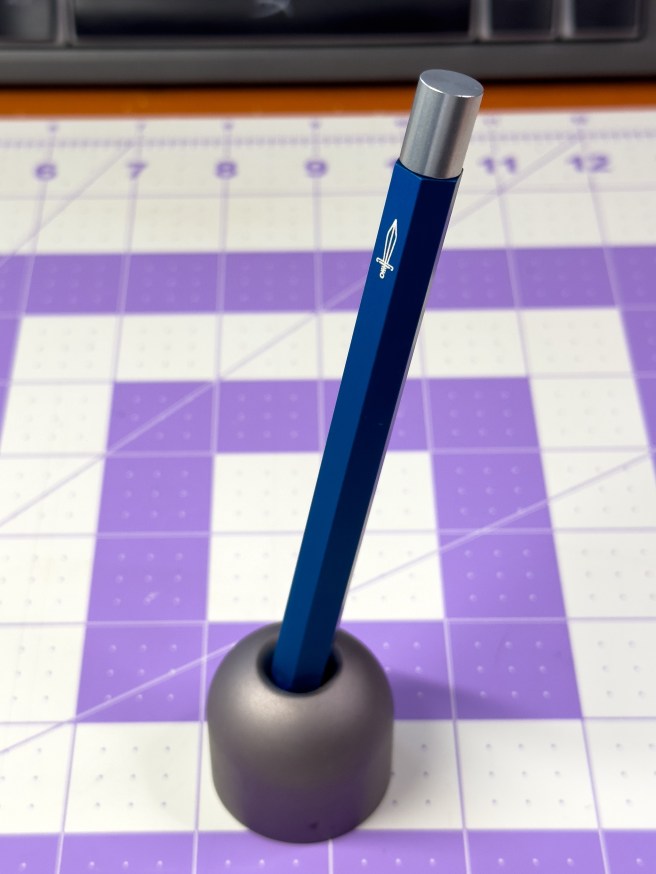
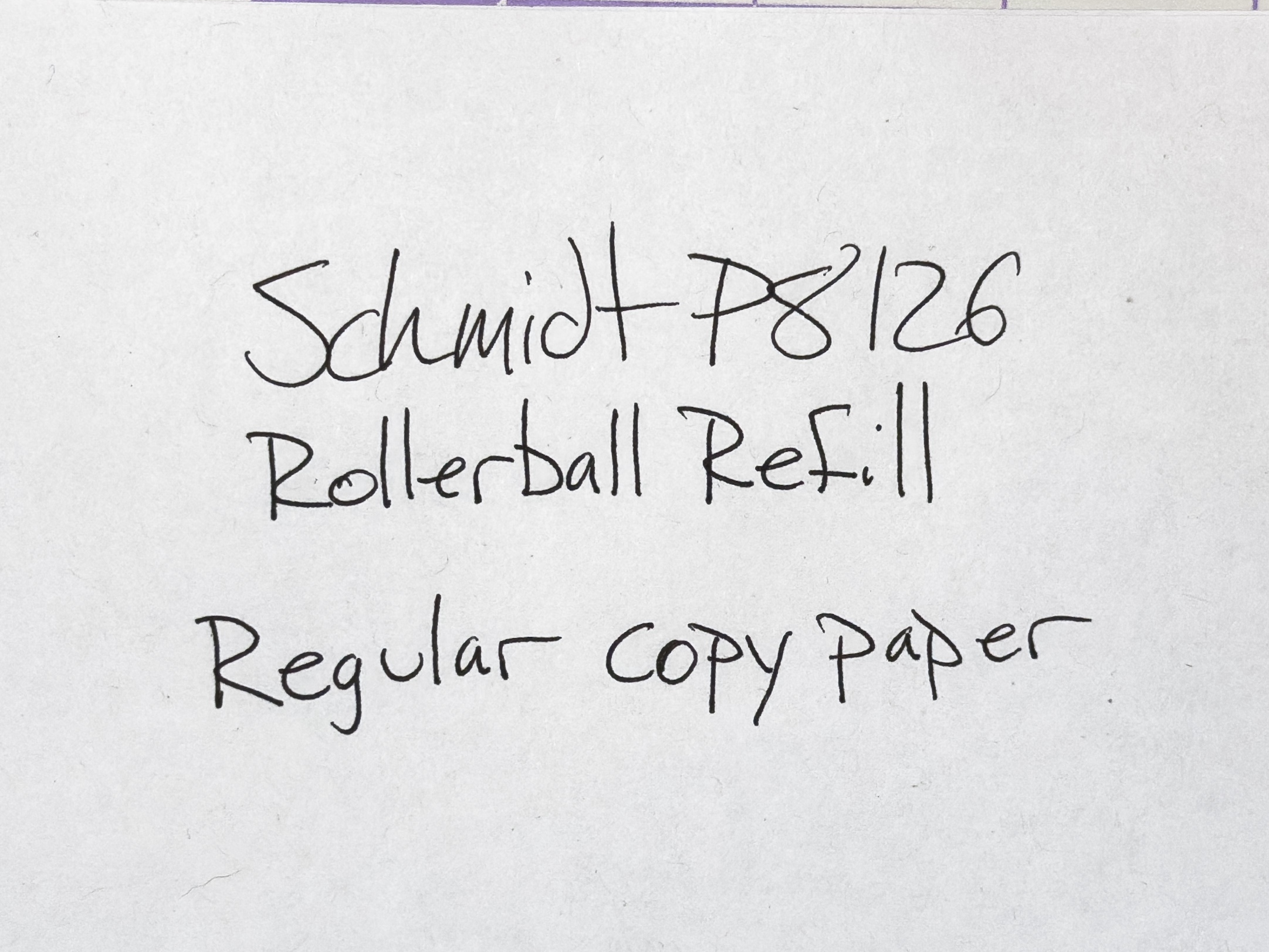
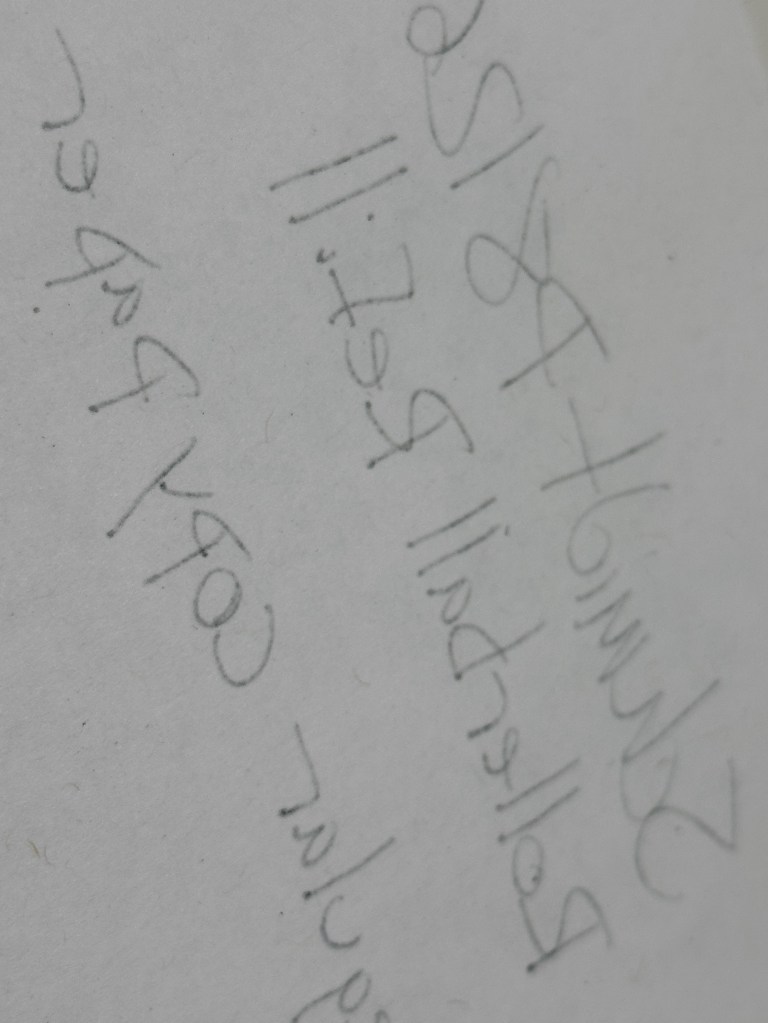
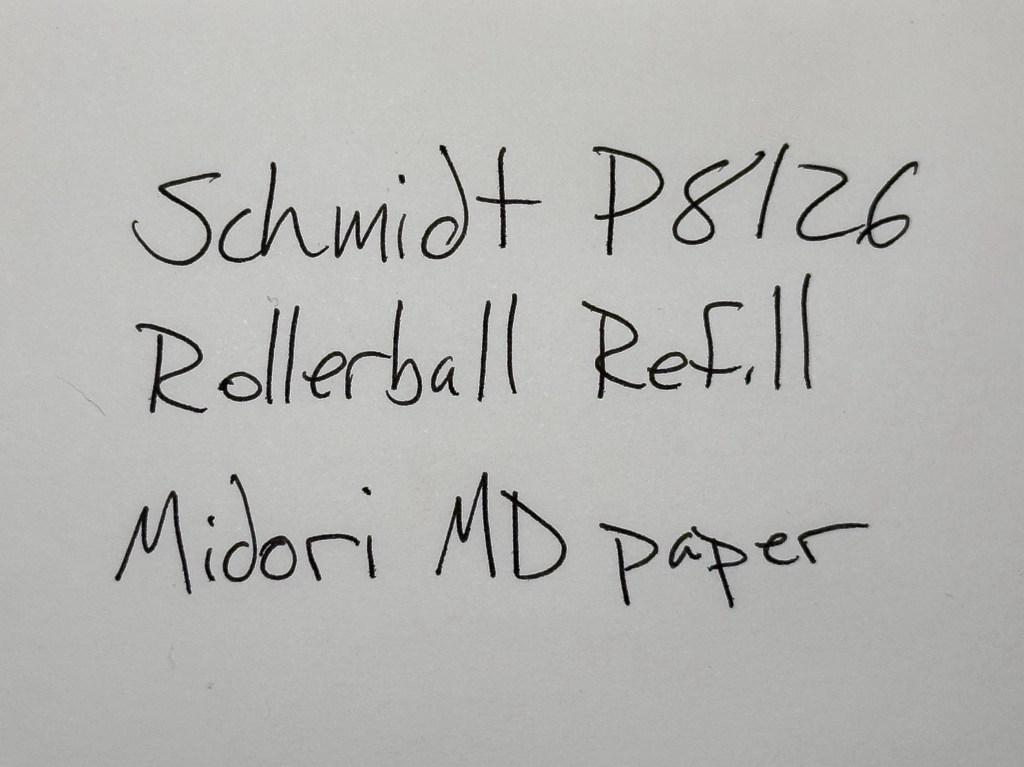
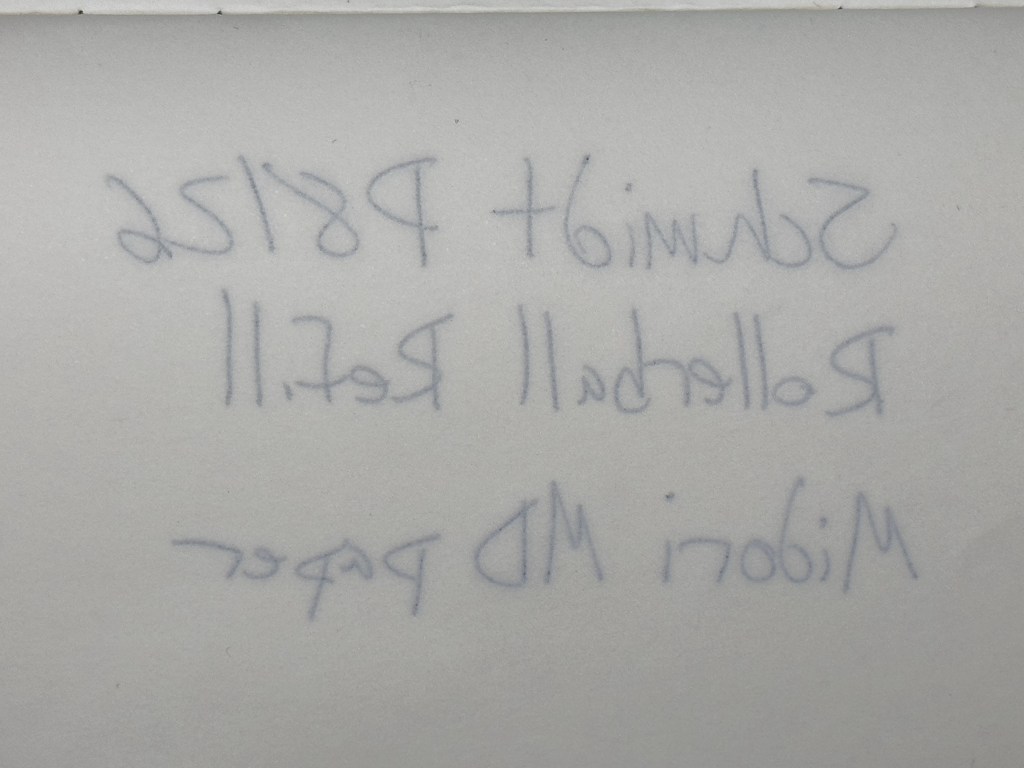
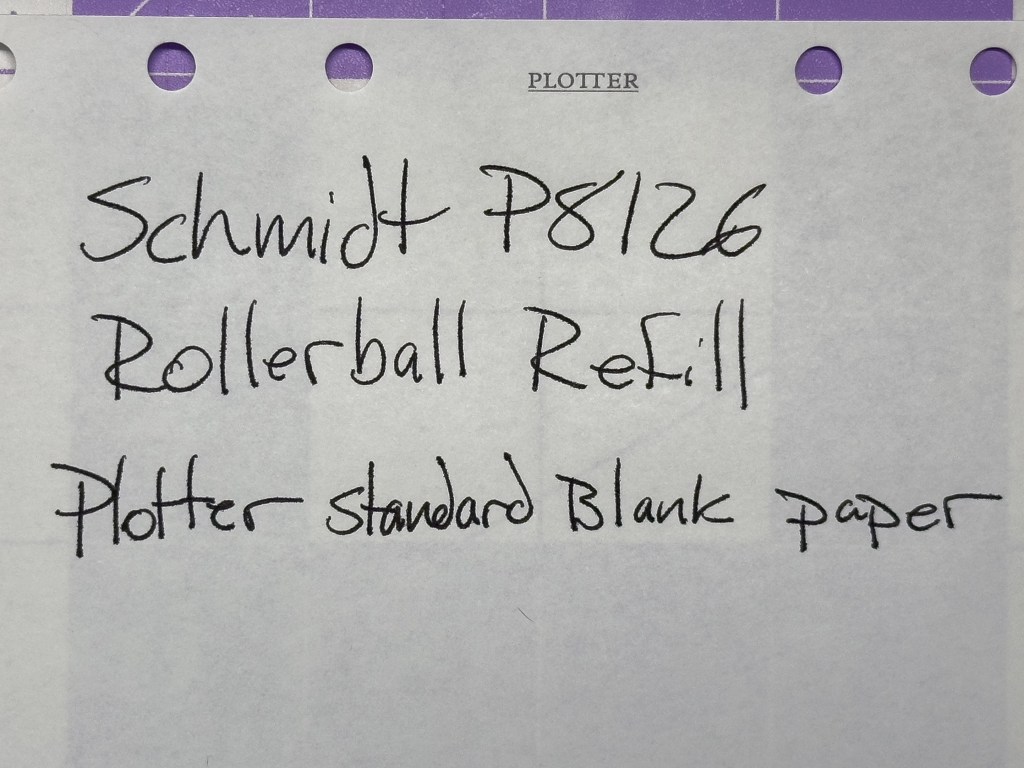
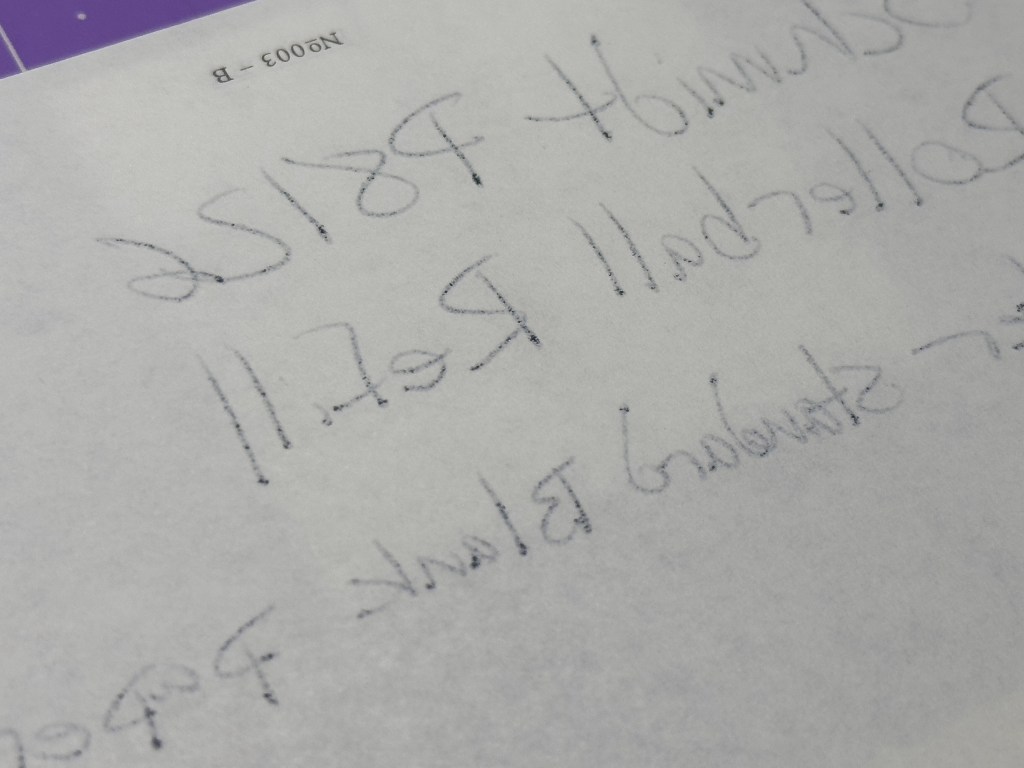
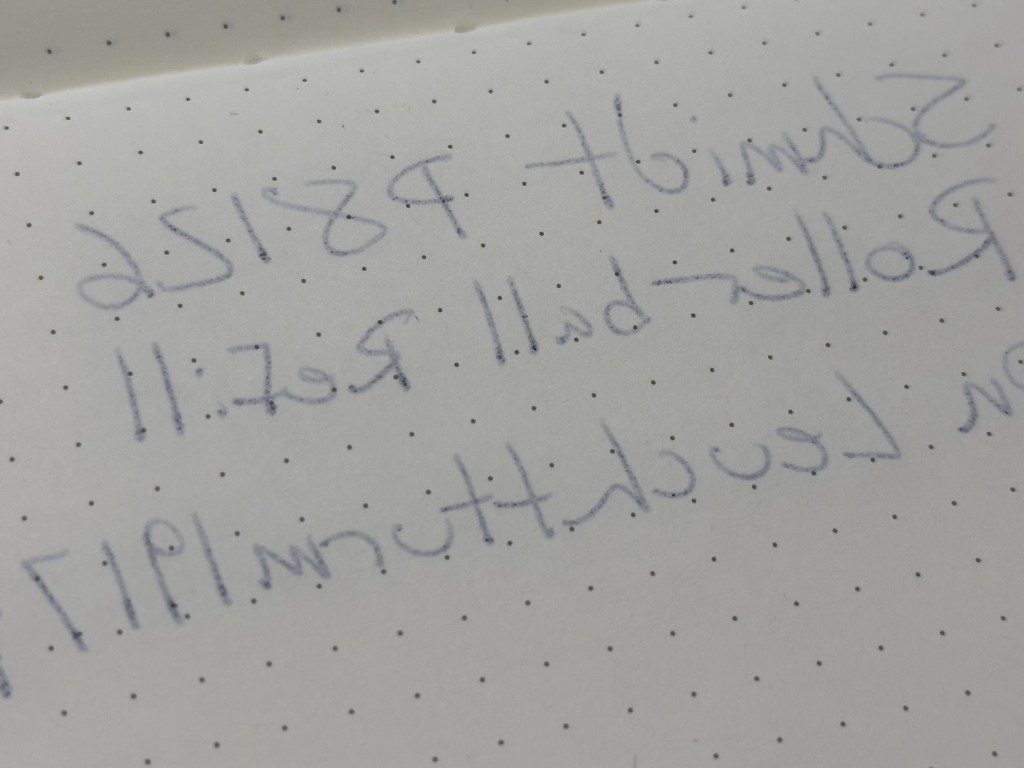
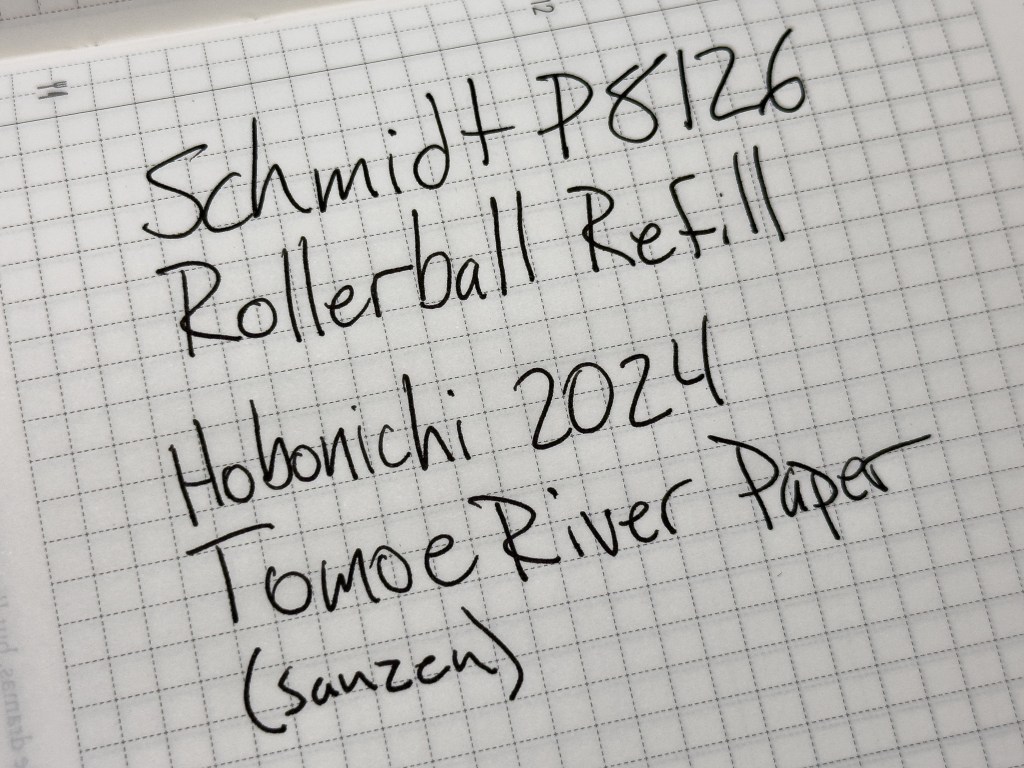
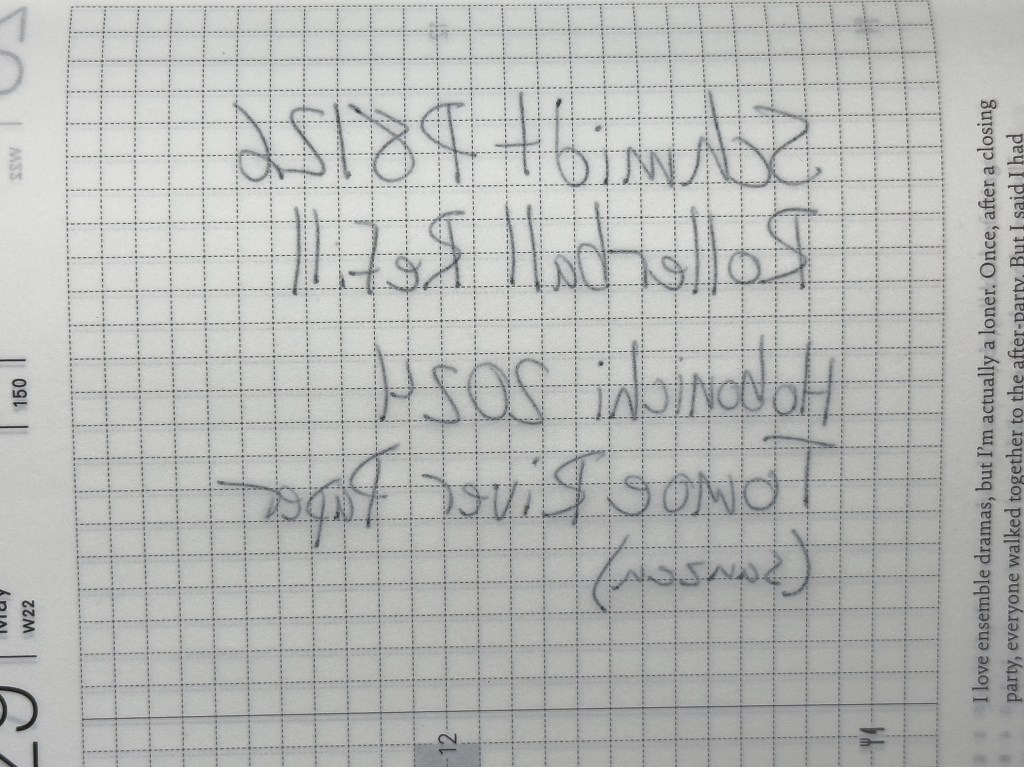
The Squire Hex is Baron Fig’s latest addition to the Squire pen series that includes the original Squire, several limited editions (including the hexagonal Oracle Squire,) and the Squire Click, many of which I had the opportunity to review in the past. The Hex features a six-sided aluminum barrel finished in either Black, Blue, or Green with a polished metal flat-head twist mechanism at the end. The pen comes equipped with a 0.6mm tip Schmidt P8126 rollerball refill, but I’ll try not to hold that against it. I actually took a little side quest to find a more suitable refill for my needs, more on that next week. Check out the gallery at the end of this review for some Schmidt writing samples on various papers.

Despite the dramatically different feel, the Squire Hex has roughly the same measurements as the original. They both weigh in around the 19 gram mark (not including the spring and refill) which makes the Squire heavier than Studio Neat’s Mark One and lighter than Retro 51’s Tornado. The pen feels substantial without being heavy, which makes for a nice and comfortable writing experience.

Apart from the visual shift, the twist mechanism is the same as we’ve seen on previous Squire pens. A simple (roughly) 180-degree clockwise twist extrudes the writing tip, and the reverse retracts it. A slight bump can be felt when the cartridge locks into place. Although the twist knob is about the same length as the original, its flat-top cylindrical shape provides slightly more grip surface compared to the old round tops. Combining the shining silver twister with the solid color barrels give the whole pen a clean, subtle style that I appreciate.

Overall I have enjoyed using the Squire Hex. It arrived just in time for me to take it on a little out-of-state excursion where it served as my main writing instrument. What I like most about the Hex is it’s shape and style. For one thing, hexagons are the bestagons, and the shape works well as an on-the-go pen. When placed on a countertop, a dresser, or an airplane seatback table, the faceted shape prevents rolling and ensures that the pen will stay where you put it. I also appreciate the aesthetic style of the pen. Baron Fig has a very straightforward design language for their products, and that shows in this latest release.

One thing I don’t love are the sharp angles that give the Hex its shape. Depending on how hard you grip the pen, these little corners can create pressure points that get uncomfortable after a short while. This is a very subjective concern as it changes with how long you’re writing, how firmly you grip your pens, and even what refill you are using at the time. I also have a personal distaste for the Schmidt P8126/8217 refill that this pen uses. I happen to find these rollerball refills very finicky, and too wet for even my special fountain pen friendly papers. On the other hand, every time I hand someone a P8216-equipped pen to try out, they immediately remark on how smooth it is to write with (usually on cheap copy paper, a napkin, or whatever other scrap happens to be nearby.) I can’t really fault the pen or Baron Fig for using this refill. It’s popular, accessible, and (apparently) works well enough for most people’s paper situations. What the Schmidt refill does offer is a pretty generous flow volume, meaning you don’t have to apply much pressure to the tip on the page to get the ball rolling (literally.)
The Squire Hex retails for $79, which is a reasonable price for a premium rollerball pen these days. If you came here looking for an enabler, you’ve found one. I’m very happy with the design of the pen, and I hope Baron Fig continues to expand this line with unique designs and interesting metals, as they have done in the past. If you’re in the market for a quality refillable rollerball or ballpoint pen that also looks great, check out the Squire Hex by Baron Fig. Tune in next week to see what I did about the refill.
Discmailers: Baron Fig provided the Squire Hex rollerball pen to this blog free of charge for the purpose of review. Refills mentioned were purchased by the author at full retail price. All opinions stated are my own.

 The Poor Penman
I’m assuming that you used a Jetstream SXR-600, which is the replacement refill that I’ve used. It fits perfectly in the Baron Fig Squire Hex and, while it still doesn’t dry as quickly as i would like, it definitely dries faster than the Schmidt P8126 that comes with the pen.
LikeLike